
Our mission WordPress plugins need a soul.
Code can be transferred. Brands can be transferred. User bases can be transferred. The thing that actually makes a plugin loved cannot. authLab is the bet that it doesn't have to disappear.
The graveyard
The story repeats. A plugin people love gets acquired by a hosting company. The announcement is glowing: the team stays, the mission stays, more resources, faster growth. Then, slowly, the plugin fades. Releases get less frequent. The changelog gets shorter. The community gets quieter. One day the plugin is just software running on servers, maintained by people who have never spoken to a single user.

- WP Curve — acquired by a major hosting company. The brand no longer exists.
- CoBlocks — acquired into a hosting parent. Slow maintenance mode for years; reviews on WordPress.org call out the lack of updates.
- Jilt — acquired through a hosting roll-up. Dead within a year. The promised replacement never shipped. Thousands of store owners had to scramble for alternatives.
- Yoast — acquired by a hosting holding company. Still updated. Still works. Maintenance more than momentum.
- StudioPress / Genesis Framework, Block Lab, Advanced Custom Fields — acquired by a managed-WordPress host. ACF moved off lifetime licenses and ended up at the centre of the largest public dispute in WordPress history.
- iThemes — acquired by a hosting parent. Renamed entirely to SolidWP. The brand that took a decade to build was replaced by a logo.
- StellarWP — a hosting parent's umbrella for The Events Calendar, GiveWP, LearnDash, Iconic, and more. Dissolved in 2026. Every brand domain now redirects to the parent's website.

It's gravity, not malice
Hosting companies don't acquire plugins to kill them. They see a great product, a loyal community, and a clear way to take it further. The intent is real.
The problem is scale. A WordPress plugin earning $5M a year is a phenomenal business for a 20-person team. For a hosting company doing $500M in revenue, that plugin doesn't show up on the quarterly report. Nobody in leadership is thinking about it. Nobody in the board meeting is asking how the form plugin is doing.
It's not neglect. It's gravity. Big things pull attention toward big things.
The economics compound. Plugin businesses generate $1–10M annually — life-changing money for a lean team, irrelevant inside a hosting company's overhead structure. The moment a plugin becomes a line item that has to justify itself each quarter, the question shifts from "how many users did we delight?" to "how many hosting customers did this plugin bring in?" The plugin survives. The relationship doesn't.
What it looks like in practice
A popular Gutenberg block plugin was built by a solo developer working from a small mountain-state home office. It is widely credited with helping save Gutenberg from failing. In 2021, a hosting parent acquired the plugin through an umbrella brand they created. The developer deserved the payday.
For a while, things were fine. The developer kept building. Then they went from running the plugin to overseeing every plugin in the umbrella's portfolio. Then they left. Quietly. No farewell post.
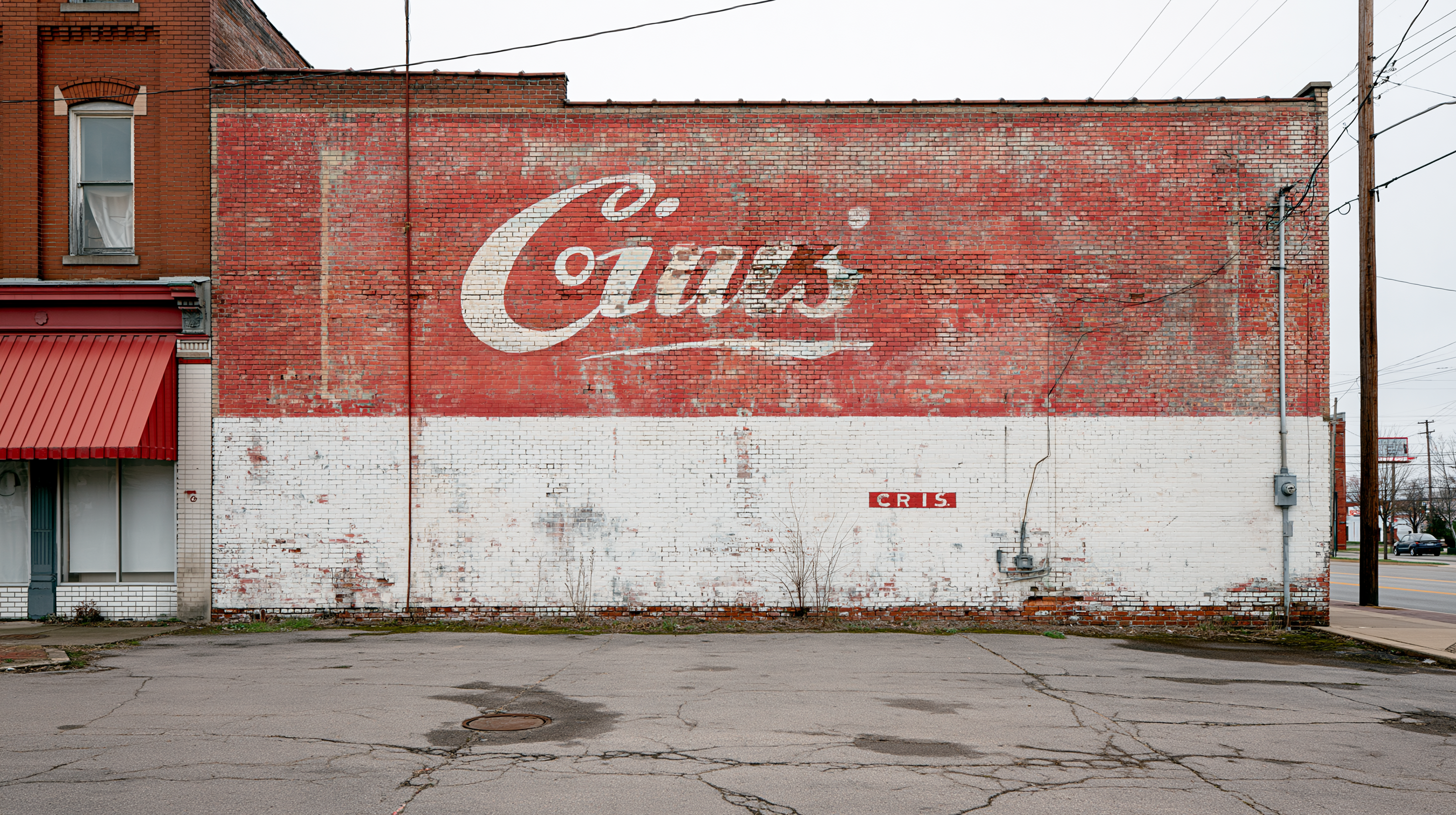
The umbrella brand went through layoffs. The customer success division was eliminated. Quality issues surfaced. Then in 2026, the parent killed the umbrella brand entirely. The plugin's domain — trusted by thousands of users — now redirects to the parent's landing page. Same for LearnDash, used by thousands of training programs. Same for The Events Calendar. Same for GiveWP. Same for every brand under the umbrella.
Lifetime bundles users had paid for were replaced with new pricing tiers. Licenses stopped working. Community forums disappeared. Support chat deactivated mid-conversation. Community groups filled with people asking where their accounts had gone, whether the brand had "vaporized," what to switch to. The same scene played out across every dissolved brand at once.
This didn't just break URLs. It broke trust.

A plugin is closer to a restaurant than to a product
You can franchise a restaurant. Copy the menu, train new staff, put up the same sign. But the original location with the original chef is something else. The regulars know it. The staff knows it. There's a feeling in the room that cannot be replicated.
WordPress plugins live inside a community. They survive on trust and personal relationships — on the feeling that the people behind the software actually get it. That kind of trust isn't scalable in the way a hosting company needs things to be scalable.
A plugin isn't a feature you bolt onto a hosting plan. A plugin is a living relationship between a maker and the people who use it. You can transfer code, but you cannot transfer "gives a damn at 3am." It doesn't fit in a handover document.
What we're doing differently
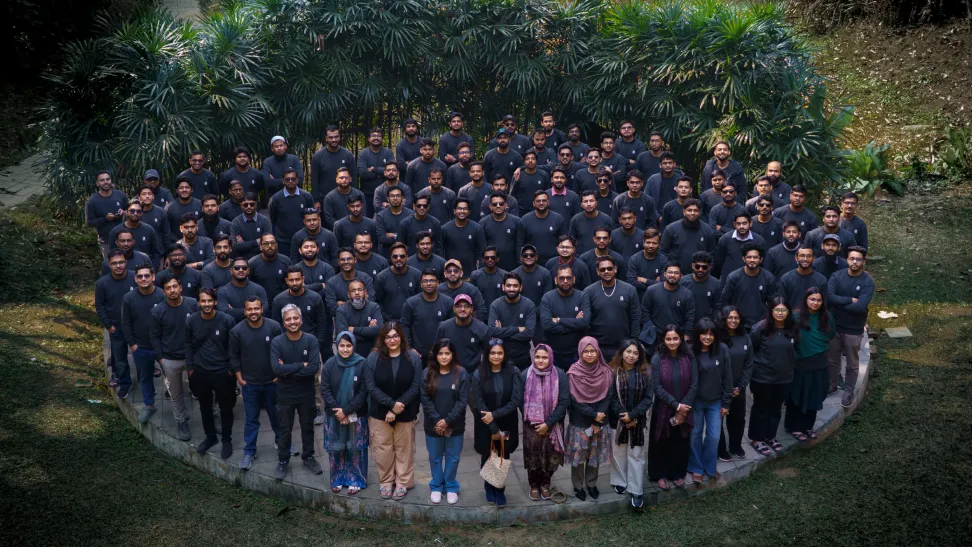
authLab is 120 people in Sylhet, Bangladesh, building 13 plugins in-house since 2016. Over a million businesses across 180+ countries run our software.
We're not VC-funded. We're not for sale. There is no acquisition coming. The studio behind Fluent Forms, FluentCRM, Fluent Support, FluentCart, FluentCommunity, FluentBooking, FluentBoards, FluentSMTP, FluentAffiliate, Ninja Tables, Paymattic, WP Social Ninja, and AzonPress is the same studio you'll be dealing with in five years.
When a release breaks something, the people who built it feel it. When you file an issue, it goes to engineers who know the codebase by heart — not to a support tier rotating through tickets. When the roadmap shifts, it shifts because users asked for it, not because a quarterly review demanded growth.
That isn't a marketing claim. It's an operating model.
WordPress plugins need a soul. A person, or a small team, who cares so deeply about the product that it isn't just a job — it's a piece of who they are.
You cannot buy a soul.
You can only build one.
Or lose one.